
02– We’re Losing the Recipes
I came across a video from Lauren (@laurenthelolife) the other day, and one line has been sitting with me ever since:
“We’re losing the recipes.”
She was talking about design.
Not recipes for food—recipes for creating spaces that feel like us.
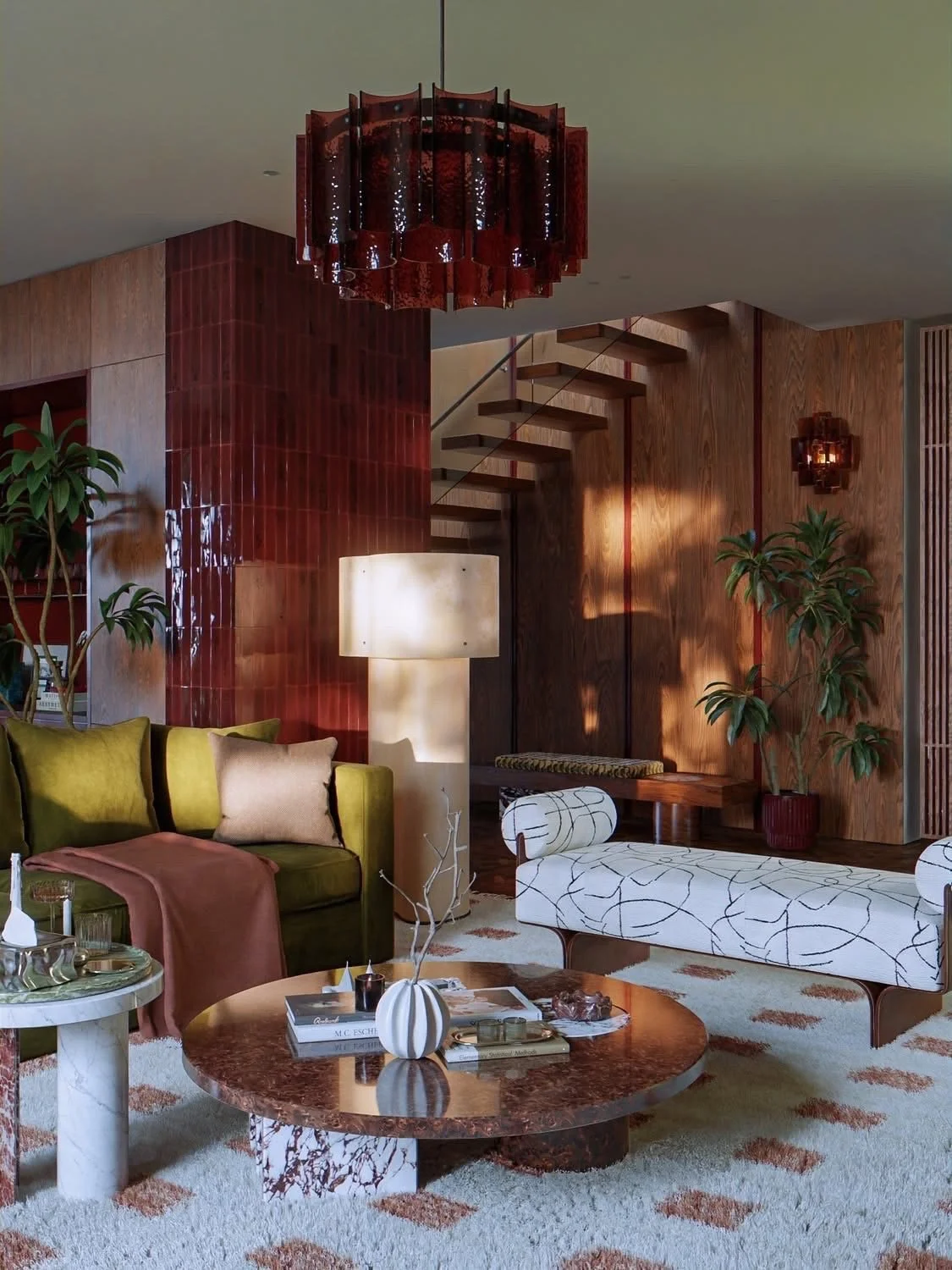
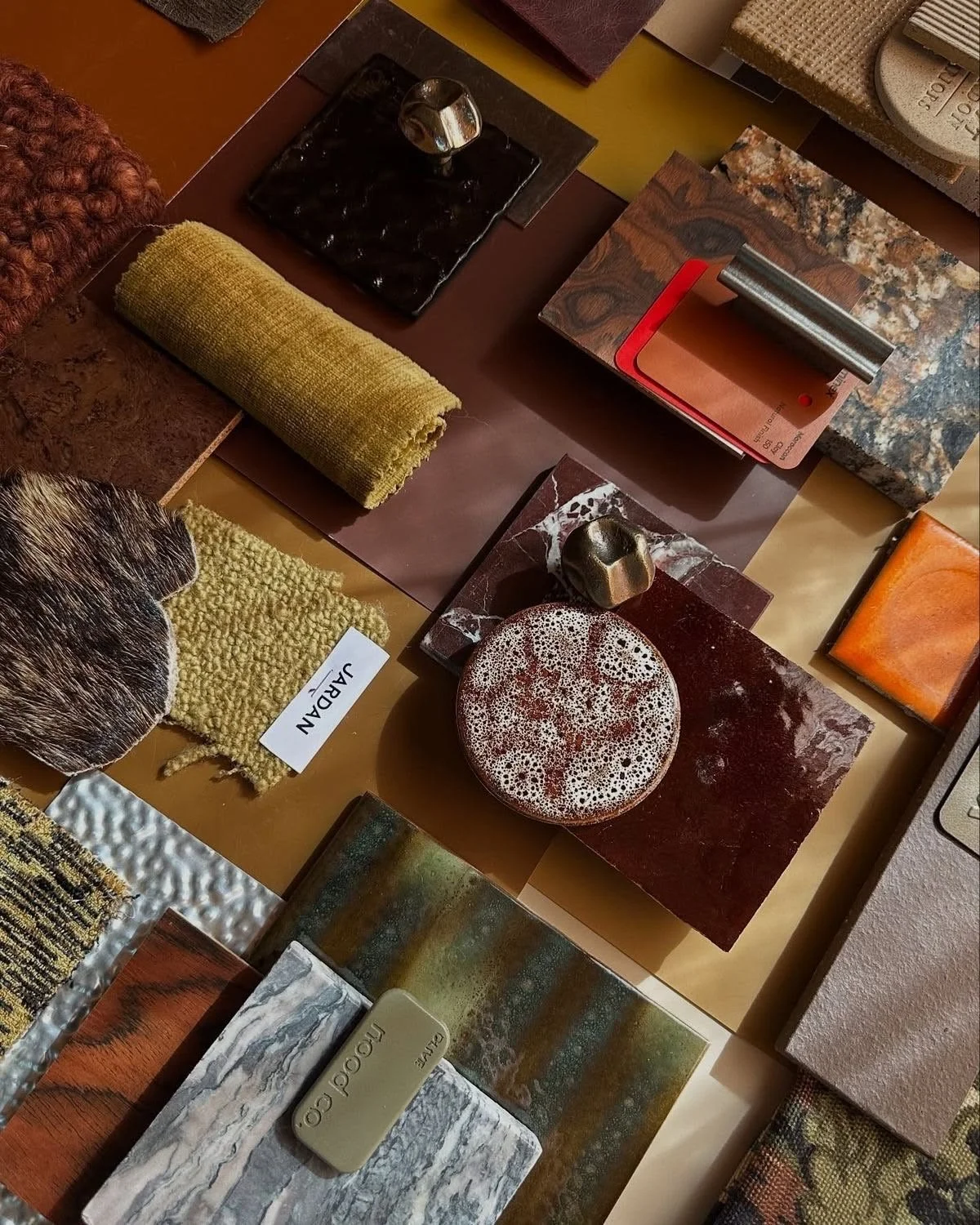
The combinations that used to be passed down without anyone realizing it. The courage to mix colors that “shouldn’t” go together. The confidence to choose furniture because it made you feel something instead of because it matched an algorithm.
I love people who live in color.
Ironically, I don’t necessarily want my own home drenched in color. I’m a creative, but that’s never been how I express myself. Creativity doesn’t always mean living in a rainbow. There are so many different ways to tell the world who you are. But I deeply admire people who live boldly because they’re creating from instinct instead of imitation.
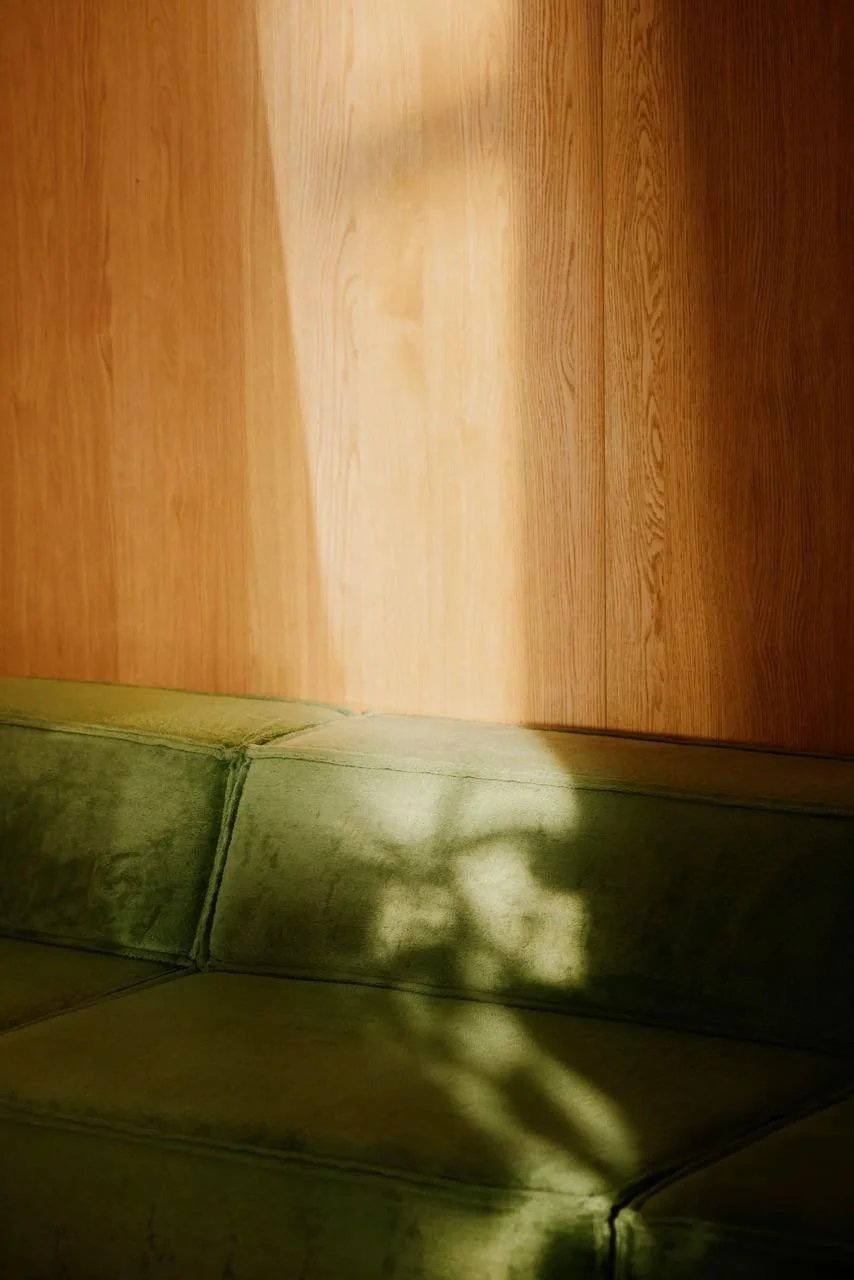
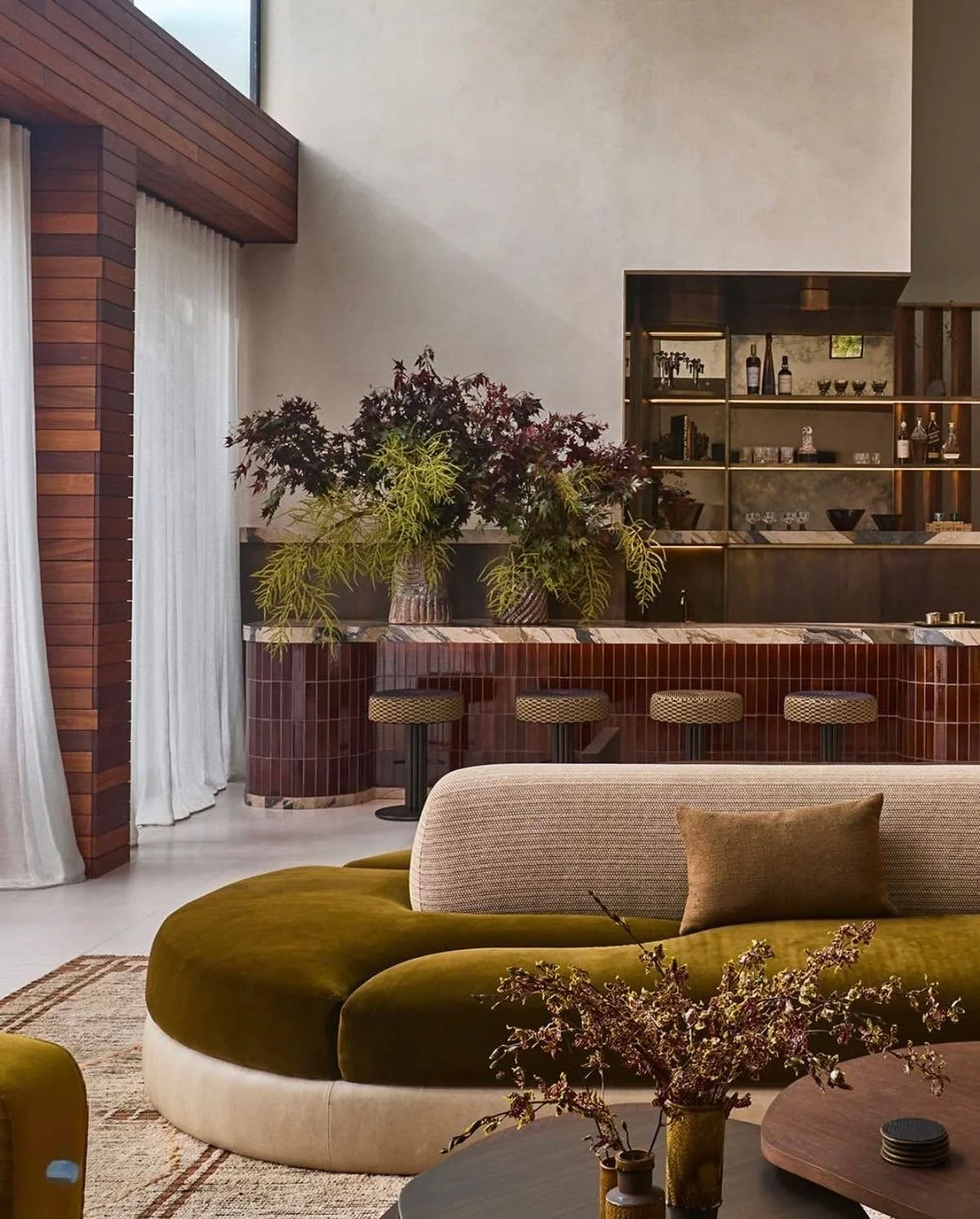
My favorite era of interior design has always been the ’60s and ’70s. Real wood. Teak. Oak. Cedar. Velvet. Curved silhouettes. Bold patterns. Warm browns that felt like shea butter. Nothing was afraid of texture. Nothing was afraid of color. Rooms weren’t trying to be perfect.
They were trying to feel alive.
Growing up, our parents’ and grandparents’ homes were full of things. Family photos covered the walls. Cabinets held dishes for special occasions. Furniture stayed in the family for decades. Everything had a story because everything had to remain tangible.
People call that maximalism now.
I call it memory.
I also wonder if that’s part of the reason people seemed so connected to the world around them. They didn’t spend every quiet moment looking down at a screen. They were building things with their hands. They were cultivating. They were creating. They were raising families face-to-face because there wasn’t an entire world living in the palm of their hand.
Technology isn’t the problem.
Technology was created to connect us, to help us, to make life easier.
But somewhere along the way, we stopped using it as a tool and started using it as an escape.
Instead of asking ourselves what we love, we ask what performs well.
Instead of decorating from memory, we decorate from Pinterest.
Instead of creating our own language, we become fluent in trends.
The result is that our homes—and sometimes even our identities—begin to look interchangeable.
My grandmother’s house is still one of my favorite places in the world.
Wood-paneled walls. A built-in bar in the front room. Red carpet.
The “good room” with yellow-and-white shag carpet and pink velvet couches nobody was allowed to sit on.
The bathroom had mint-green tile with black-and-white checkered floors.
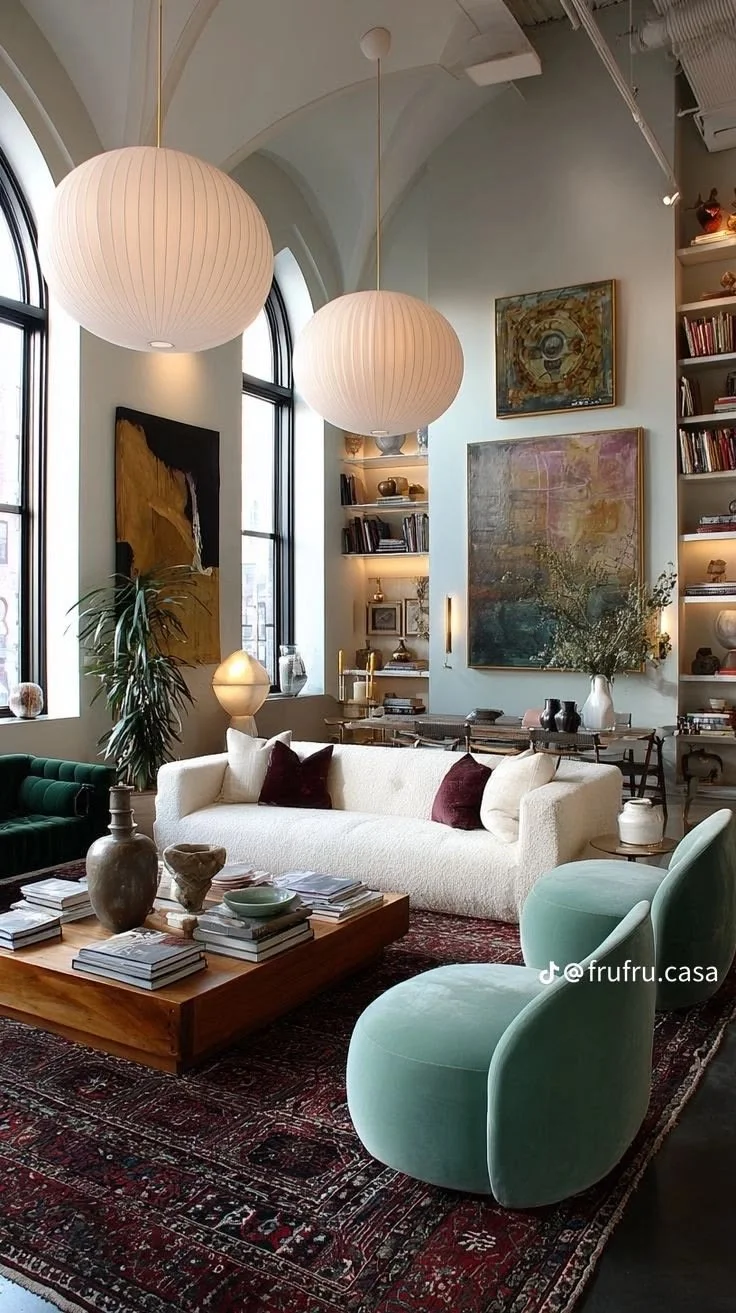
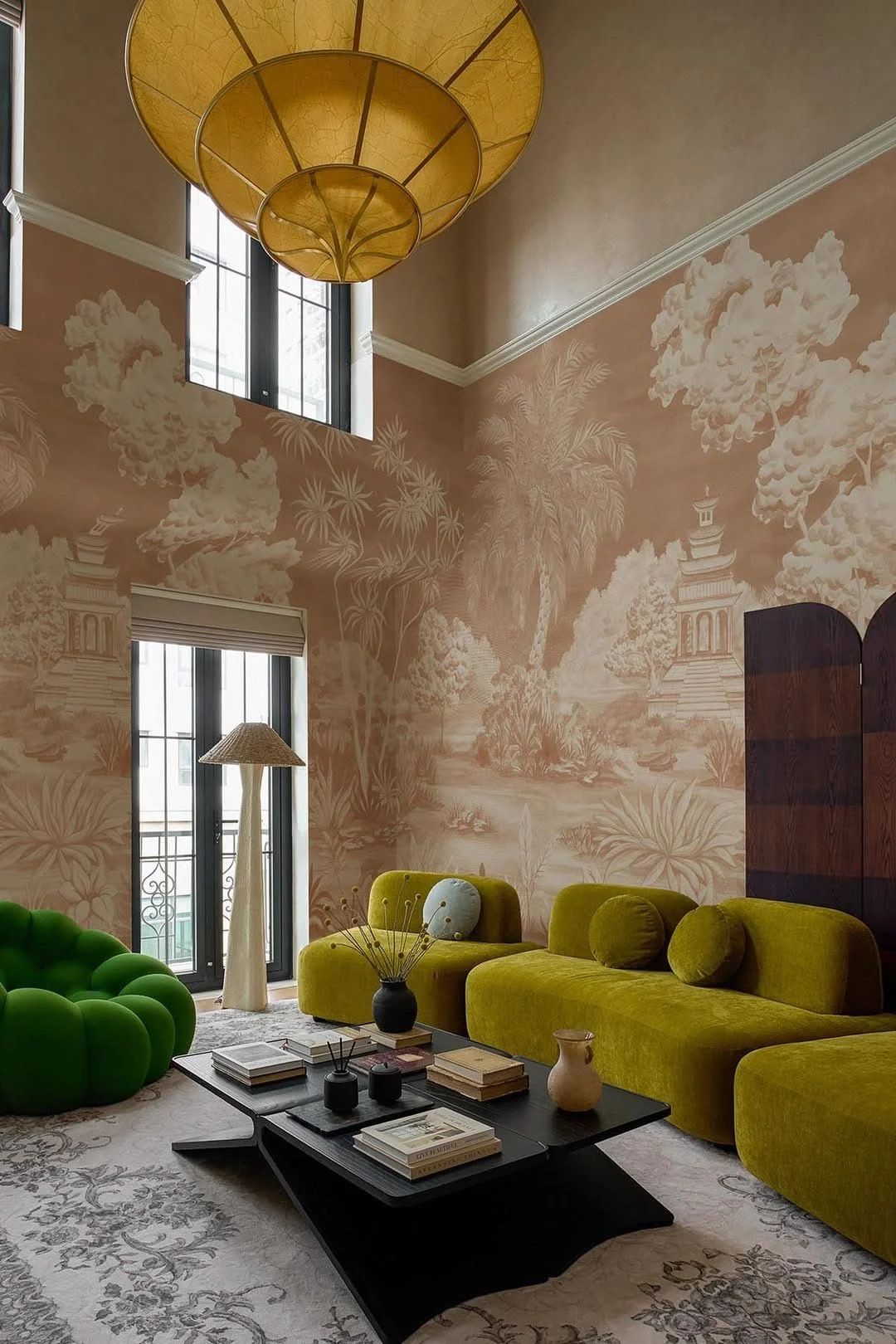
Across the street, my cousin’s house had the most beautiful mauve carpet I’d ever seen. Emerald green. Dusty rose. Sage. Gold accents. Colors that shouldn’t have worked together somehow made the room feel peaceful.
Not curated.
Not aesthetic.
Home.
Those rooms had personality because the people inside them had personality.
Minimalism isn’t the problem.
Cream walls aren’t the problem.
Neither is modern design.
I actually love cream. I love white. I love all the different tones and shades they can become. The problem is when trends become a substitute for taste.
When “beautiful” becomes synonymous with “popular.”
When we stop trusting ourselves because we haven’t seen someone else do it first.
If you asked me to describe my interior design style, I’d probably say urban chic.
I love mixing patterns.
I love mixing textures.
I love pairing the unconventional with the timeless.
It’s how I dress, it’s how I design, and it’s how I want to live.
I’ve finally decided I’m going to stop decorating for what looks good on the internet and start creating spaces that make me never want to leave.
Maybe that’s a rug with an unexpected pop of color.
Maybe it’s a vintage chair that doesn’t match anything else.
Maybe it’s letting the walls become a gallery for whatever my imagination wants to say in that season.
A room doesn’t have to scream to have personality.
The walls can stay soft.
The furniture can stay simple.
The story can live in the art, the books, the photographs, and the objects collected over time.
Right now, my color is sage.
Maybe it’s because it reminds me of my grandmother. She always had ladybugs throughout her house, so somewhere in mine, there will always be a little bit of red. Red also reminds me of Winnie the Pooh, one of my favorite parts of childhood. Suddenly, that color carries two memories instead of one.
That’s what I want my home to do.
I want every object to have a reason for being there.
I want my walls filled with Black photography, old basketball images, Spike Lee films, R&B album artwork, vintage magazines, architecture, and pieces of a culture I didn’t grow up in but have always admired. I’ve always loved the architecture of the culture.
The style.
The confidence.
The individuality.
Not because it was perfect.
Because it knew exactly who it was.
Lauren said we’re losing the recipes.
…AND
I think she’s right.
But maybe the ingredient that’s missing isn’t a particular color palette or furniture style.
Maybe the salt is individuality.
Maybe the pepper is the confidence to believe that who we are and what naturally draws us in is just as beautiful as what’s currently trending. The best-designed spaces have never been the ones that followed the rules. They’ve always been the ones that told the truth about the people living inside them.
Maybe that’s the recipe worth preserving.